
Driver vs Mini Driver:
An Expert View from Fraser Gardiner
PGA coach Fraser Gardiner from FG Golf Instruction explains the real-world differences between a modern driver and a mini driver, which golfers benefit most, and how to choose the right setup for your game.
Why This Question Matters
Golfers regularly ask me the same thing: “Fraser, should I use my standard driver or look at buying a mini driver?” It’s a fair question. Modern mini drivers are becoming more popular with everyday club golfers, competitive amateurs, and even some professionals.
As a coach who has watched hundreds of players hit both, fitted them to many golfers, and tested all the major brands, I can say this: there’s no universal answer, but there is a right answer for you. The key is understanding what each club really does.
What Actually Is a Mini Driver?
Think of a mini driver as the “middle child” between a standard 460 cc driver and a 3-wood.
Standard Driver
- Head size: usually 460 cc
- Shaft length: typically 44.5–45.5 inches
- Loft: around 8–12 degrees
- Main goal: low spin, maximum distance
Mini Driver
- Head size: roughly 300–340 cc
- Shaft length: often 43–44 inches
- Loft: typically 11–15 degrees
- Main goal: control, confidence, & “playable distance”
In simple terms, a standard driver gives you maximum potential distance, while a mini driver aims for maximum playable distance — distance you can repeat and keep in play.
Why a Mini Driver Is Easier to Hit
The two big reasons most golfers love mini drivers are:
- Shorter shaft: easier timing and more consistent centre strikes.
- Smaller head: easier to square, with less twisting on slight mishits.
Many amateur golfers struggle with the full length of a driver. Timing a 45-inch shaft at full speed is difficult, and missing the centre by even a small margin can cost distance and accuracy. A mini driver reduces those timing demands. You stand a touch closer, balance improves, and the strike becomes more predictable. For a lot of my students, fairways-hit percentage rises noticeably when a mini driver enters the bag.
The Driver Still Has One Big Advantage
Despite all that, a standard driver still wins in one key category: raw distance.
If you hit your driver consistently well — especially centre-face with a repeatable launch — it will generally offer more carry and more total yardage than a mini driver. Long tee shots still matter, particularly on longer par 4s and reachable par 5s.
That’s why I often recommend a combination of both: a well-fitted driver for the big, open holes, and a mini driver for tighter tee shots where fairway is more important than an extra 15-20 yards.
Real-World Equipment Comparisons
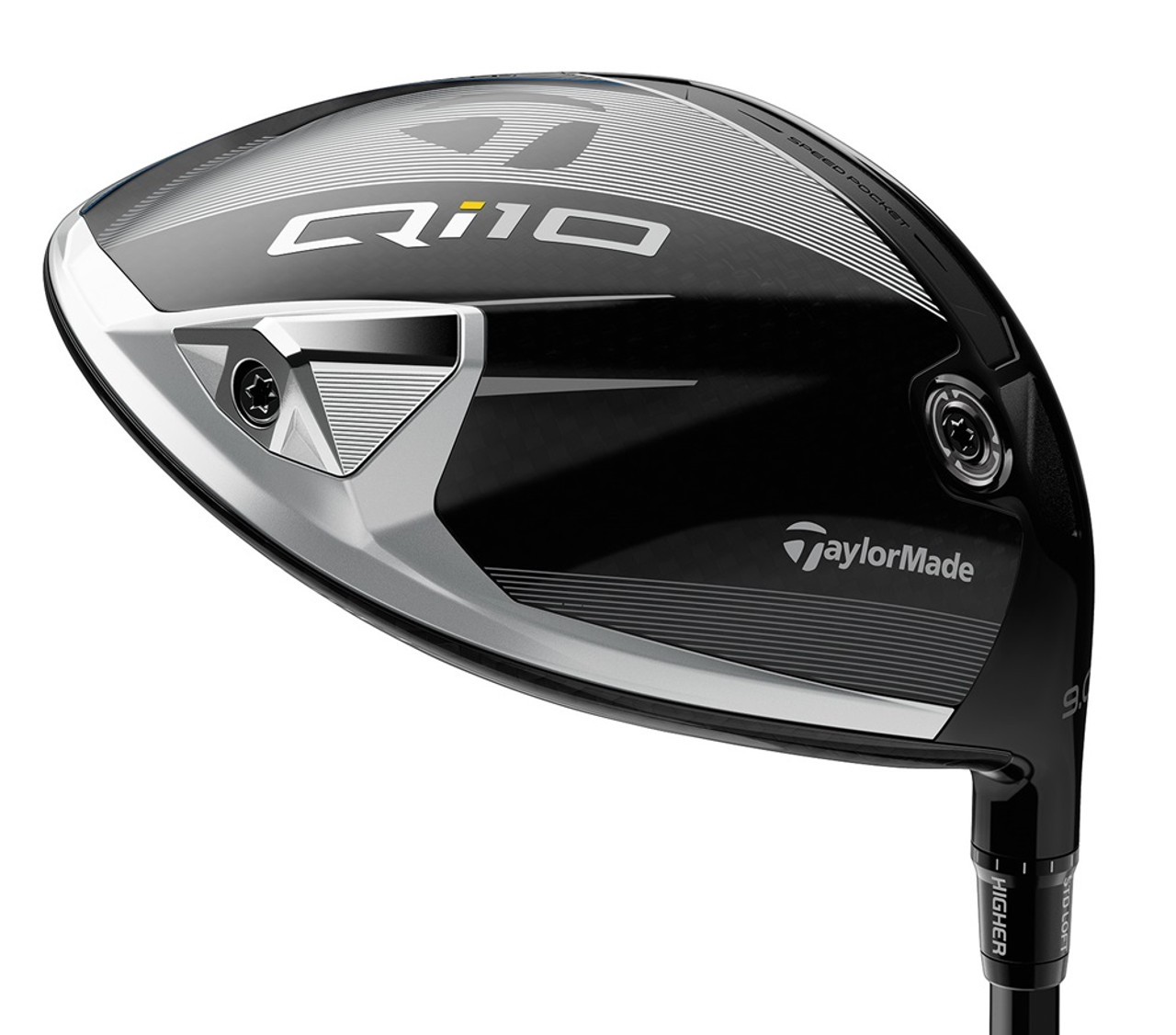
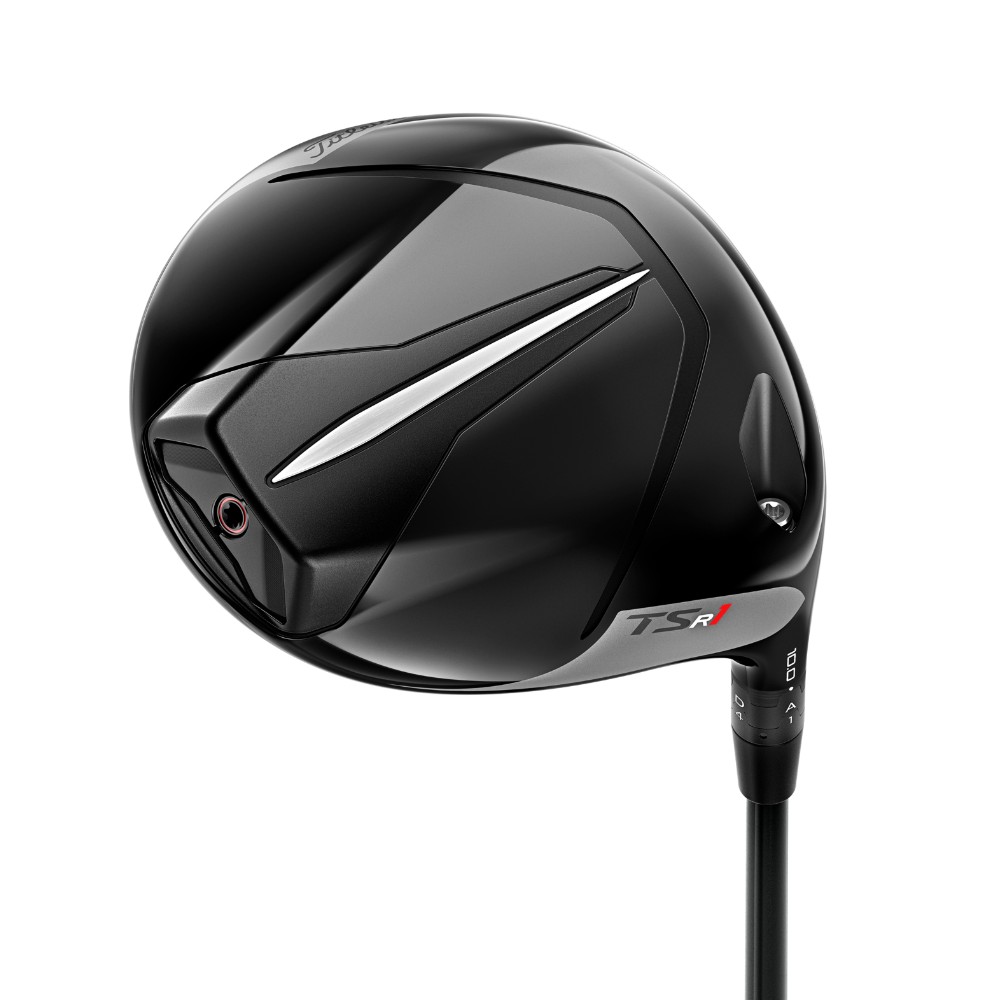
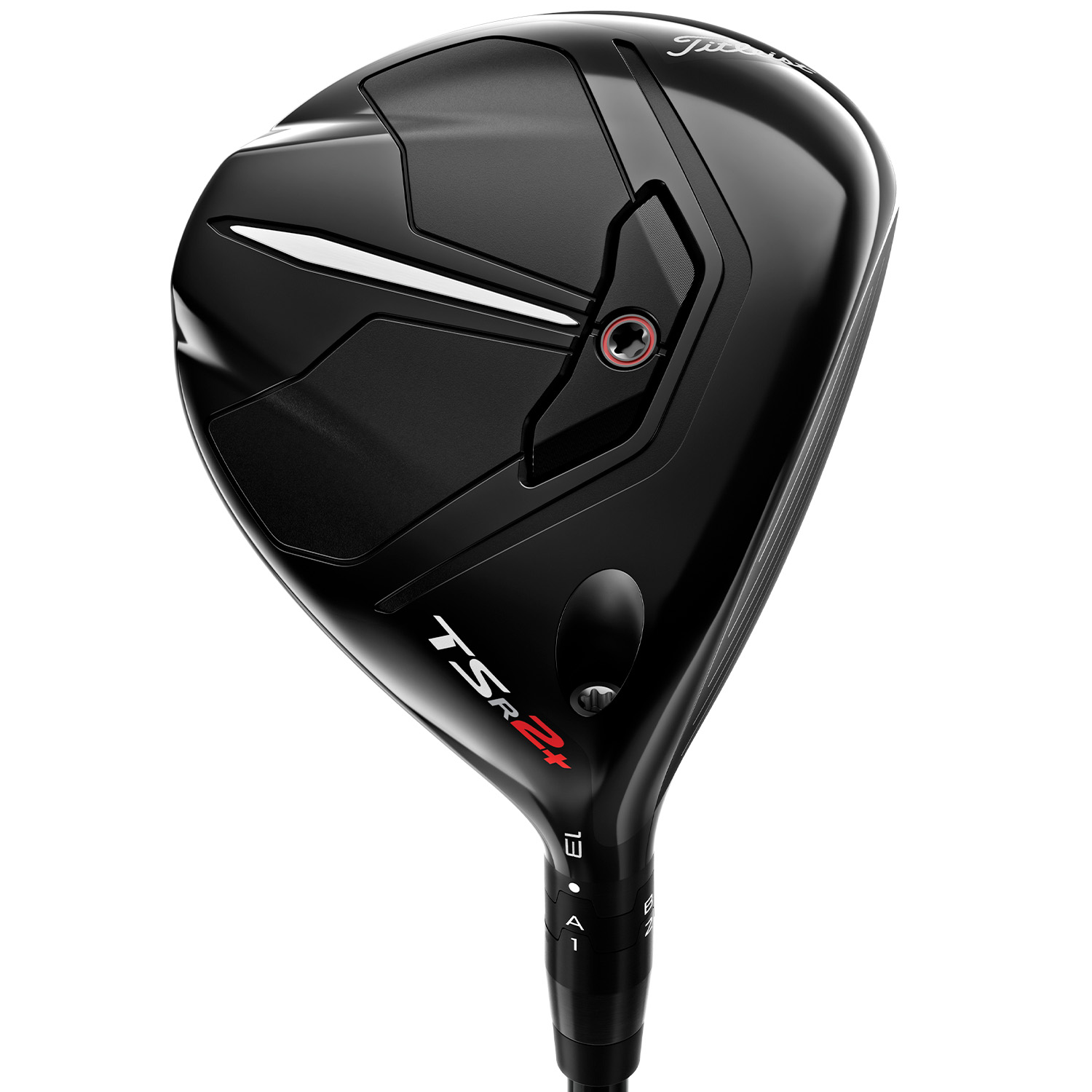
Featured Driver & Mini Driver Models

Compact head, shorter shaft, and a classic 2-wood look — ideal for controlled tee shots and fairway hitting.
460 cc head, full-length shaft, modern face technology — designed for maximum carry and forgiveness.
Tour-proven design with high speed and ball-flight tuning, ideal for confident driver players.
Deep-faced, strong-lofted fairway wood — a superb tee club alternative if you want control and consistency.
Callaway and Ping: “Mini-Driver Style” Options
Callaway’s Paradym Ai Smoke drivers deliver forgiveness and distance, though they currently don’t produce a dedicated mini driver. Older models, such as the “Mini” versions, remain popular among golfers chasing control and fairway-finding.
Ping’s G430 Max driver remains a top pick for forgiveness and consistency. If you prefer a compact, fairway-finding option, a strong-lofted G430 fairway wood (around 13°) can effectively stand in as a “mini-driver style” club — especially useful on tight or tree-lined courses.
Which Category Are You In?
1. Stick with a Standard Driver if…
- You already hit driver consistently well.
- You generate good ball speed and launch.
- You play longer courses where pure carry matters.
- You like the confidence of a big 460 cc head.
2. Consider Replacing Driver with a Mini Driver if…
- Your driver dispersion is wide and unpredictable.
- You regularly lose balls right or left off the tee.
- A full-length driver shaft feels hard to control.
- You play narrow, tree-lined, or windy courses.
- You value fairways found more than raw distance.
For many 10–20 handicappers, a mini driver becomes their main tee club — and scores often improve simply because the ball stays in play more often.
3. Carry Both If You Want the Best of Both Worlds
This is the setup I often recommend: a standard driver and a mini driver.
- Use the driver as your “Plan A” distance club.
- Use the mini driver as your “Plan B” fairway-finder.
Strategy becomes simpler: on wide holes, go for distance; on tight or high-pressure holes, choose accuracy.
How Your Swing Influences the Decision
In my online lessons via Skillest, I evaluate:
- Swing path and club-face control
- Low-point control and strike location
- Launch, spin, and shot shape with each club
A golfer with a solid path and face control but inconsistent strike often benefits from the shorter, more manageable mini driver. A golfer with strong centre-strike but inconsistent face control may benefit more from a driver with adjustability and a fitted shaft.
Final Thoughts – Confidence vs Distance
A driver will likely remain the king of distance. But for many golfers, a mini driver becomes the king of confidence. If accuracy matters more than raw yardage — because you fight off-line drives or play tighter courses — a mini driver can save strokes simply by keeping the ball in play.
If you already hit the driver well and confidently, keep it. But even then, having a mini driver as a second option gives you strategy: distance when you want it, consistency when you need it.